Neighbourhood
Where to sit in Nolita now
Cafe Gitane's real offer was a table you could keep for three hours. That is the thing worth replacing.
22 April 2026 · Cafe Gitane Archive
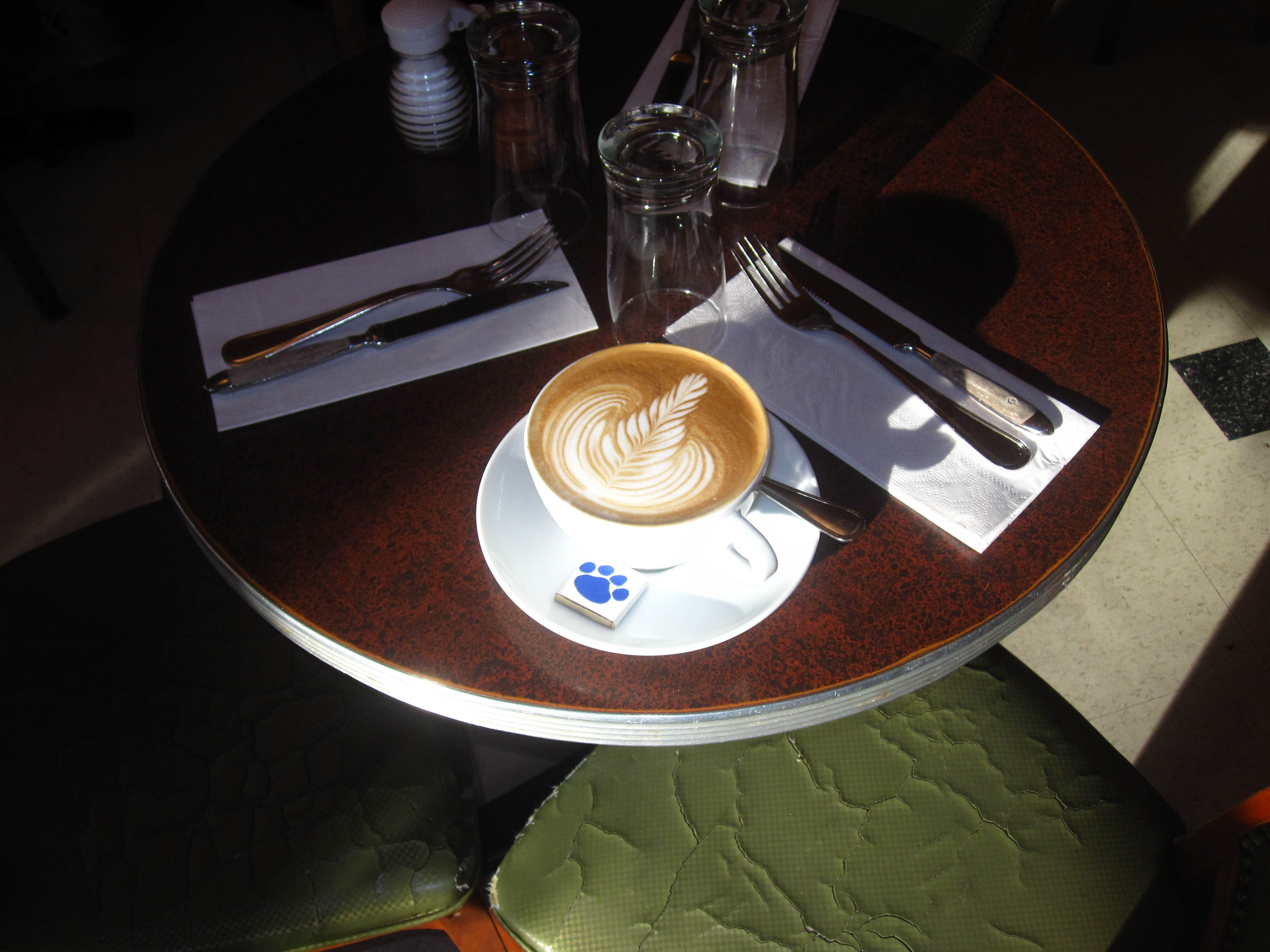
The question people ask after a place like this closes is usually the wrong one. It is not where else does the avocado toast, because the answer is everywhere. The thing Cafe Gitane actually supplied was a table in a good room that nobody would try to turn over, and that is genuinely scarce.
So this is a guide to the format rather than the menu. A note on how to use it follows at the end.
What you are actually looking for
Four things, in roughly this order of importance.
Permission to stay. The single most important variable, and the hardest to find. Signals: no queue system, no laptop ban that is actually enforced, tables that are not all two-tops, staff who do not clear a cup the second it is empty.
A full menu at all hours. Gitane served everything at any time, which is why it worked as a coffee at eleven and a dinner at nine. Most places segment the day, and segmentation is what forces you out.
A room with texture. Not designed to a brief. Mismatched furniture, walls with things on them, some evidence of accumulated time.
An unfussy price at the low end. A cafe that lets you sit needs something cheap on the menu, or sitting becomes an expensive decision.
How to find them in this neighbourhood
Nolita and its edges — Elizabeth, Mott and Mulberry between Houston and Kenmare, then east into the Lower East Side — still have rooms like this, but they turn over quickly and any specific list goes stale within a year. So rather than name places that may have changed hands by the time you read this, here is how to identify one on foot:
- Look at the tables at 3pm on a weekday. If people are still there with empty cups and nobody is hovering, that is the room.
- Check whether there is a counter. Rooms built around a counter tend to tolerate lingering better than rooms built around a queue.
- Read the menu for an all-day item. If breakfast stops at 11.30, the room is not the format you want.
- Go east. Rent falls as you cross the Bowery, and rent is what determines whether a cafe can afford to let you sit.
The one place that is a direct answer
If what you want is specifically the Gitane kitchen, take the F to York Street and go to the Vinegar Hill cafe at 70 Hudson Avenue. It is ten tables in a quiet residential pocket next to Vinegar Hill House, with the avocado toast, the couscous and the smoked trout salad on a shorter menu. It is rarely crowded in the way Mott Street was permanently crowded.
Which is to say it is closer to what the original actually was in 1994, before the Times wrote about it and the room filled up for thirty-one years.
The wider problem
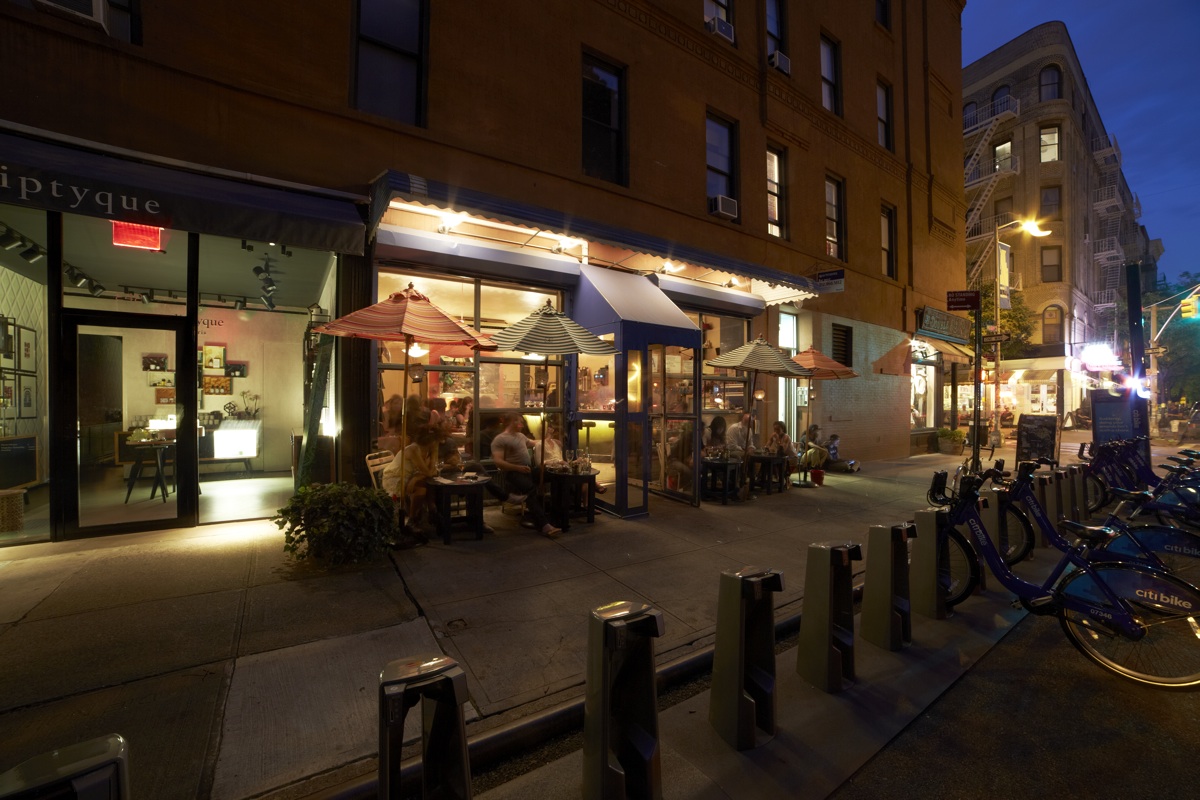
Gitane is not an isolated loss, and the reason it is hard to replace is not sentimental. The economics of a lingering room have got steadily worse, and the mechanism is worth understanding if you want to find the survivors.
A cafe makes money on turnover. A room that encourages a person to sit for three hours over one coffee is, by design, minimising the thing it makes money on. That trade works when rent is low enough that a full room of slow customers still clears the month. As rent rises, the maths inverts, and operators respond in predictable ways: two-hour table limits, laptop bans at weekends, counter-only seating, ordering by QR code, and menus segmented so that breakfast stops at 11.30 and you are gently moved along.
None of those are villainous. They are rational responses to a lease. But collectively they have made the unhurried cafe genuinely scarce in lower Manhattan, which is why "where else does the avocado toast" is the wrong question and "where else can I sit" is the right one.
Reading a room before you commit to it
Four checks, all doable from the doorway:
- Look at the tables at 3pm on a weekday. If people are still there with empty cups and nobody is hovering, that is the room.
- Check for a counter. Rooms built around a counter tolerate lingering better than rooms built around a queue.
- Read the menu for an all-day item. If breakfast stops at 11.30, the room is not the format you want.
- Check the cheapest thing on the menu. A cafe that lets you sit needs something inexpensive, or sitting becomes a costly decision and the room self-selects for people passing through.
And go east. Rent falls as you cross the Bowery, and rent is what determines whether a cafe can afford to let you stay.
A note on lists like this
We have deliberately not published a ranked list of named substitutes. Nolita turns over fast, and a list of ten cafes written today would be misleading by next spring — which is exactly the problem this archive exists to push back against. If you know a room in the neighbourhood that genuinely does what Gitane did, tell us on the contact page and we will look into it.