Locations
How a Nolita cafe ended up in Ebisu
The Tokyo branch opened in 2017 and is now one of the last two places the Gitane kitchen operates.
8 April 2026 · Cafe Gitane Archive
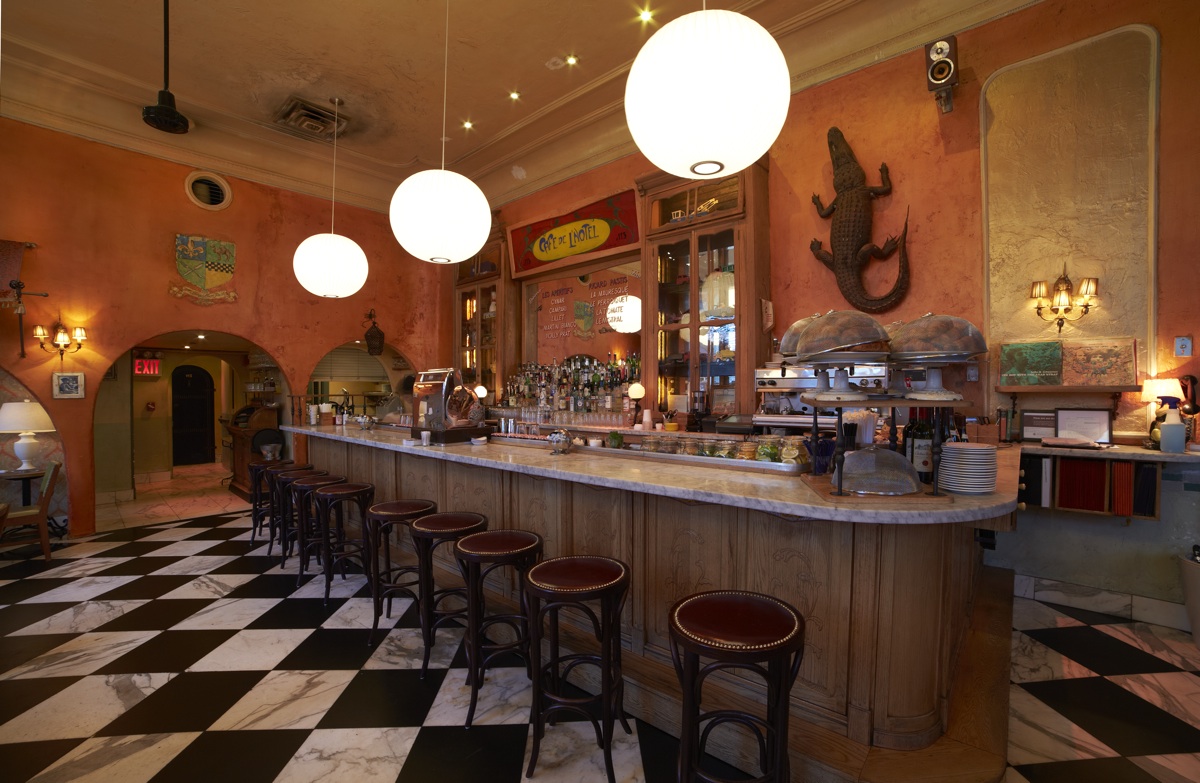
The most surprising thing about Cafe Gitane's Tokyo branch is not that it exists. It is that it now matters: with Mott Street closed, Ebisu is one of only two rooms left where this kitchen operates.
The room
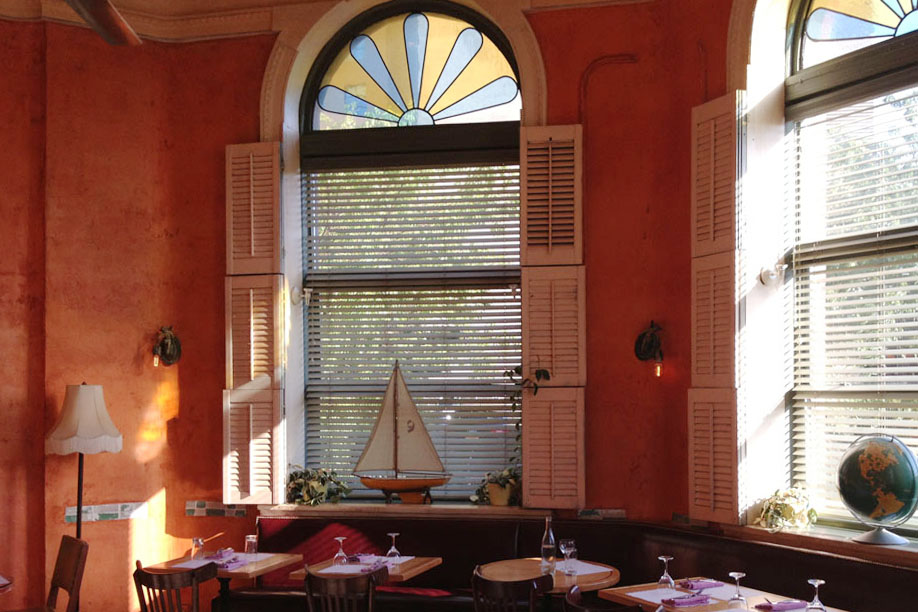
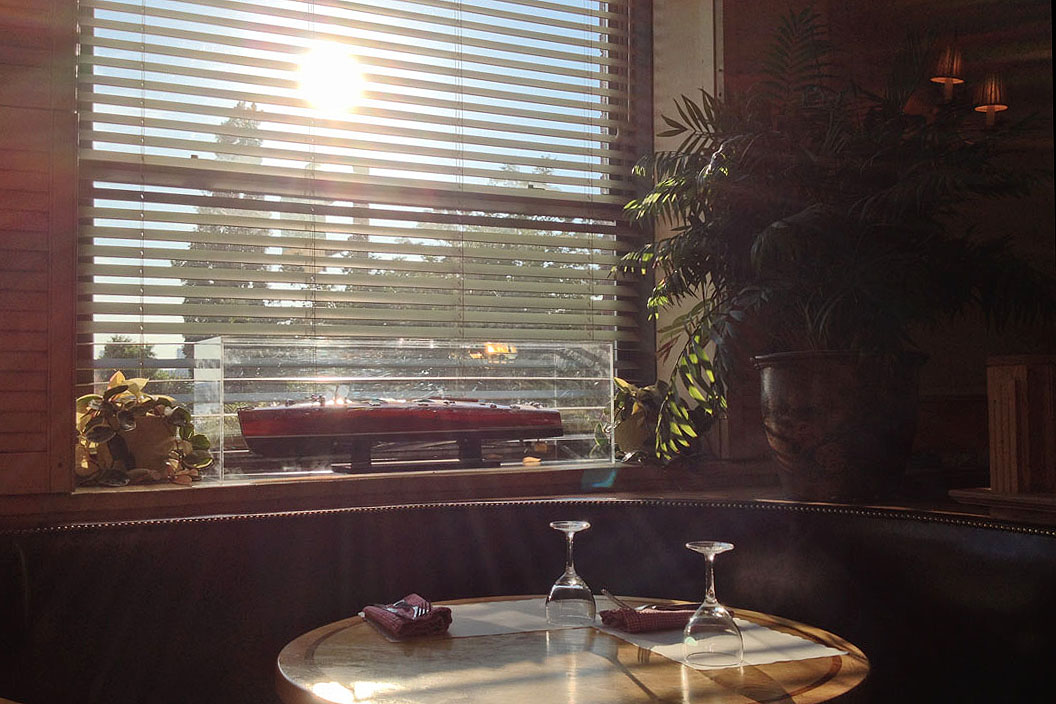
It opened in August 2017 on a quiet street just south of Ebisu Station, near the Margiela boutique. It is bigger and brighter than the Nolita original: high ceilings, a generous outdoor terrace on the street front, and an indoor terrace with floor-to-ceiling windows that gives the space a greenhouse quality on a clear day. There is a private room at the back with an audio input, so a group can run its own music.
Time Out Tokyo's write-up noted, affectionately, a clientele almost too stylish to be seen doing anything as mundane as eating — which is about as direct a translation of the Nolita atmosphere as you could ask for.
The menu, which is the broadest of any location
The New York signatures made the journey: avocado toast, salmon tartare, merguez with raisin-and-pine-nut couscous. Tokyo then added a layer the original never had — grass-fed beef burger, forty-day dry-aged rib-eye, kale and fig salad, truffle-oil fries, gluten-free options, baked cheesecake and a hot fudge dessert.
There is a house cocktail list running to around a dozen drinks, from mimosas to a Yamazaki whisky old fashioned, which is a very Tokyo answer to a very New York wine list.
The detail worth knowing: at lunch it runs Japanese-style sets, so the avocado toast arrives with soup and salad included at a set price. The dish that became a symbol of unaffordable brunch is, in Ebisu, part of a reasonably priced lunch special.
Getting there
- Address: 1-16-11 Ebisu-Minami, Shibuya-ku, Tokyo
- Station: Ebisu — Yamanote, Saikyo, Shonan-Shinjuku and Hibiya lines
- Menus: available in English
- Hours: historically late morning to midnight, later on Friday and Saturday. Verify before travelling.
Why Ebisu, of all places
Because it is the closest thing Tokyo has to the conditions that made the original work. Ebisu is a design-and-boutique neighbourhood with a resident crowd rather than a tourist one — studios, small shops, people who choose a room before they choose a menu. It is Nolita-shaped.
And what was actually being exported was never the food. Couscous and avocado toast are not difficult to reproduce. What travelled was the format: an all-day room, a full menu at any hour, and a tacit agreement that occupying a table for a long time is the point rather than a problem. That translates anywhere it is allowed to.
How the three rooms compare
With Mott Street gone, there are two Gitane rooms left and they are very different propositions. If you are deciding which to make a trip for:
- Ebisu, Tokyo — the largest and the most restaurant- like. Broadest menu, a terrace, a cocktail list, open late. Best if you want dinner, or a long afternoon in a bright room.
- Vinegar Hill, Brooklyn — the smallest and the quietest. Around ten tables, a shorter brunch-weighted menu, no reservations. Best if what you want is the feeling of the original.
- Mott Street, Nolita — closed since December 2025. The photo archive is what is left of it.
The honest summary: Tokyo has the better room and the better menu, Brooklyn has the better atmosphere, and neither is the original. Nolita's version worked because of thirty years of accumulated regulars in a neighbourhood that no longer exists in that form, and that is not something a second location can inherit.
A note for visitors
Two practical things that catch people out in Ebisu. First, the lunch sets are substantially better value than ordering the same dishes à la carte in the evening, and they include soup and salad. Second, the terrace is the reason to come in spring and autumn and the reason to avoid the place in August — Tokyo summer makes outdoor seating a theoretical pleasure.
Menus are available in English and staff generally speak it. Reservations have historically been accepted, which is not true of any other Gitane location.
The other survivor
If you are in New York rather than Tokyo, the Vinegar Hill cafe at 70 Hudson Avenue is the one still trading — smaller, quieter, and closer in spirit to what Mott Street was before anybody had written about it.