Books
The book that arrived a year before the end
'Cafe Gitane: 30 Years' set out to celebrate an anniversary. It became the definitive record of a cafe that closed thirteen months later.
25 March 2026 · Cafe Gitane Archive
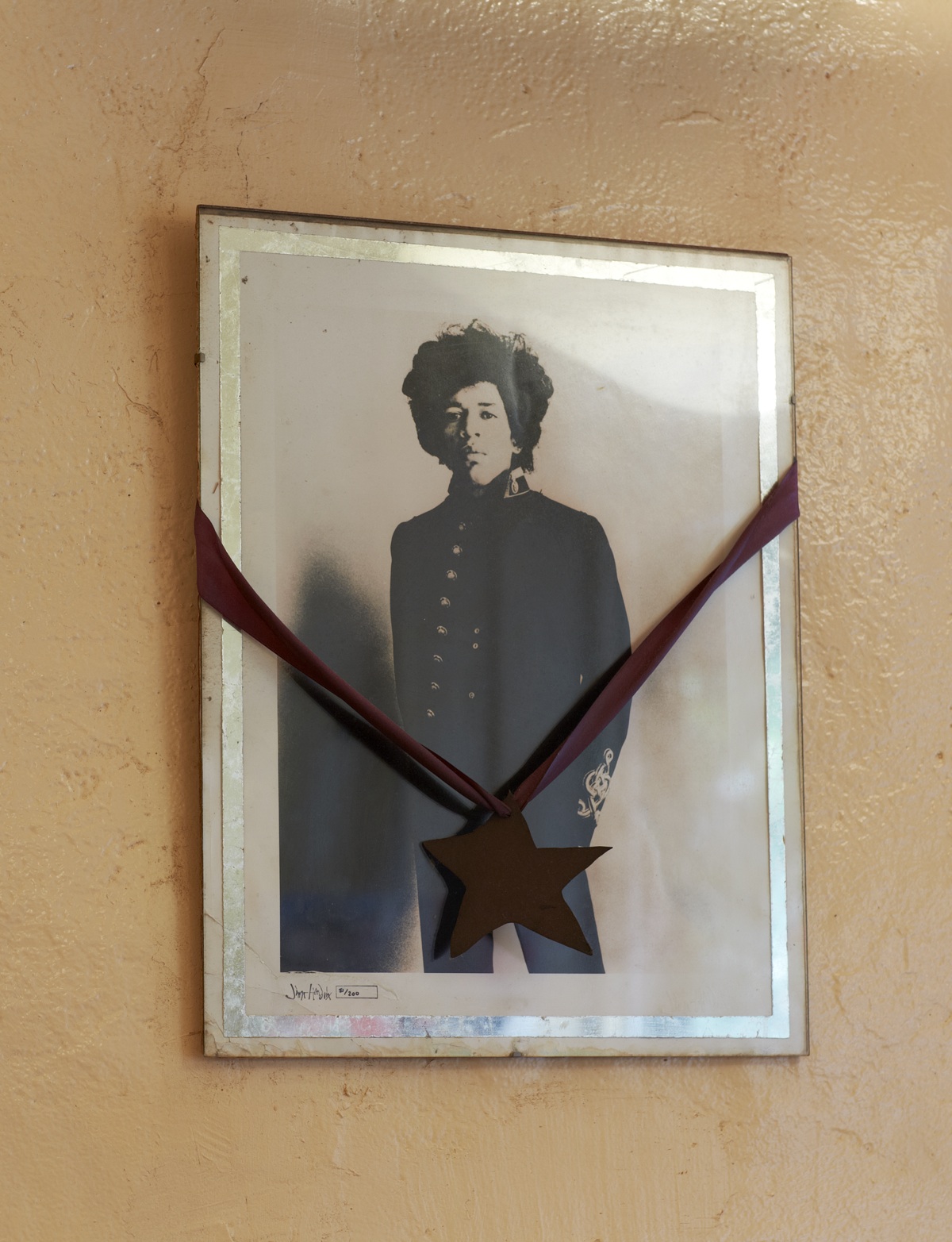
In November 2024, McNally Editions published a coffee-table book about a small cafe on Mott Street. Thirteen months later the cafe was boarded up. What was intended as an anniversary celebration became, accidentally, the primary source on a thirty-one-year institution.
What it is
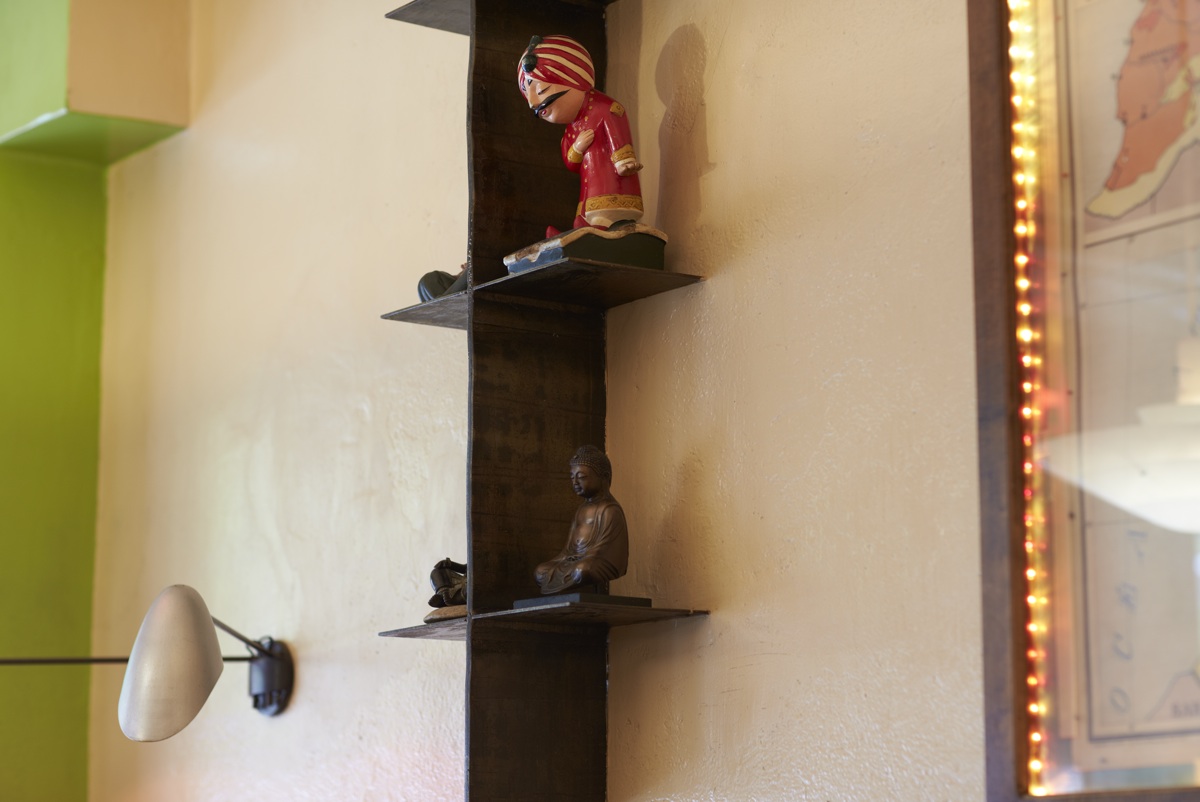
Cafe Gitane: 30 Years was written by Isobel Lola Brown, at the time the cafe's general manager, with a foreword by founder Luc Lévy. It came out on 27 November 2024 from McNally Editions, the publishing arm of McNally Jackson — a bookshop that had been Gitane's Nolita neighbour for close to twenty years. There was a limited slipcase edition alongside the standard one.
Sarah McNally has described Lévy as an ambassador for the neighbourhood, and framed the book as an oral history of Nolita rather than of a restaurant. That framing is accurate and is why the book works.
What is actually in it
The table of contents is the best argument for the book. It alternates between three kinds of material.
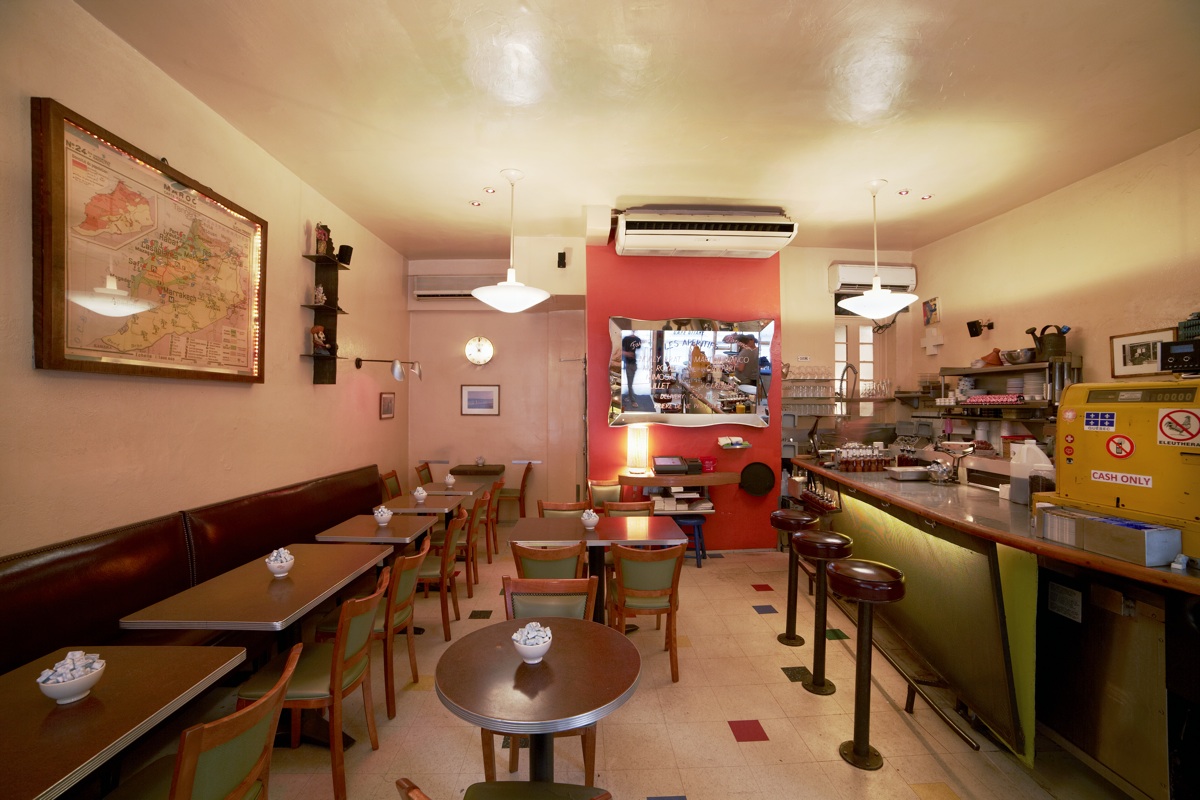
History and craft: a brief history of the cafe, a chapter on creating the menu, one on New York's first avocado toast, and one on the architecture and ambiance of the room.
Conversations, and this is the heart of it: with Norman Reedus, with photographer Inez van Lamsweerde, with director Glen Luchford, with restaurateur Serge Becker, with Father Andrew O'Connor from the neighbouring parish. A chapter follows a single shift with five of the waitresses. There is a chapter on the little green dress the staff wore, and one on the blue workwear jacket.
Recipes, scattered through: the avocado toast, grilled eggplant, Moroccan couscous, pomegranate glazed salmon, heart of palm salad, the roasted chicken sandwich, baked feta, the smoked trout bowl, spicy oranges and olives, spicy meatball tagine.
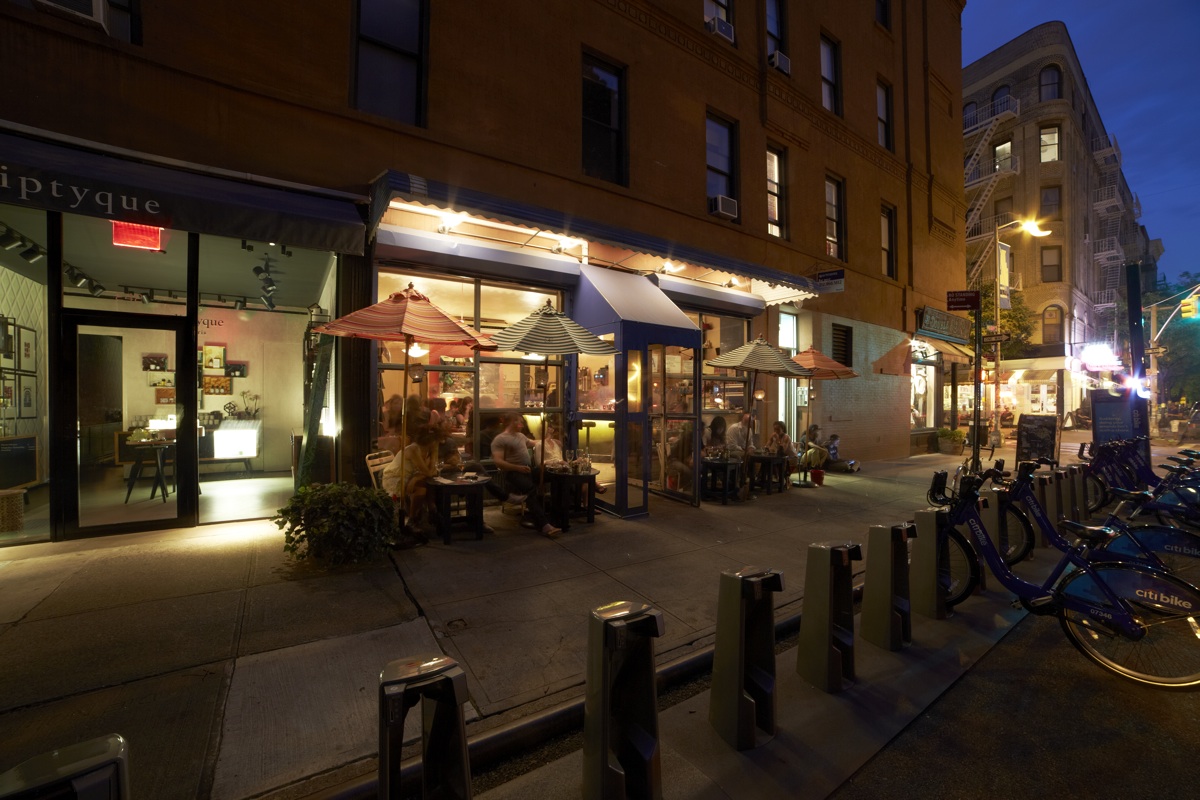
There are also chapters on the cafe's collaborations — with Supreme, with Le Labo, with Balthazar — and on the outposts at the Jane Hotel and in Vinegar Hill.
The stories everyone quotes
Three tend to get pulled out in every review, and they are genuinely good.
Cat Power — Charlyn Marshall — was the cafe's first server, sent home mid-shift because nobody was coming in. David Bowie loved the couscous enough to have it delivered to his apartment. Albert Hammond Jr. of the Strokes courted a waitress there and married her.
Critics placed the book alongside the literature on Fanelli's, Lucien, Raoul's and the Odeon — the small canon of downtown rooms that get written about as institutions rather than restaurants. That was the point of publishing it.
The second wind, and then
The launch worked. It pulled in both the long-standing regulars and a much younger crowd who had read about the place before they had ever sat in it. The New York Times described the cafe as on the rise again. For most of 2025 it genuinely looked like a thirty-year-old room had found a new audience.
In December 2025 the windows were boarded over without notice.
What is worth reading first
It is a coffee-table book, so nobody reads it front to back. Three entry points, depending on what you came for.
For the history: start with Lévy's foreword and the brief history of the cafe, then the chapter on architecture, ambiance and environment. Together they explain how a room with no design brief ended up more influential than most rooms with one.
For the food: the chapter on creating the menu, then New York's first avocado toast. The recipes are scattered through rather than collected at the back, which is mildly annoying to cook from and much better to read.
For the neighbourhood: the conversations. Father Andrew O'Connor from the neighbouring parish sits a few pages from Norman Reedus, and the shift-in-the-life chapter with the waitstaff is the one that will actually tell you what the place was like on a Tuesday.
Where to find a copy
It was published by McNally Editions on 27 November 2024, in a standard hardcover and a limited slipcase edition. Both were still available through McNally Jackson and general booksellers at the time of writing, though a book about a cafe tends to become harder to find once the cafe closes.
This site has no commercial relationship with the publisher or the seller and earns nothing if you buy it — it is simply the best surviving source on the subject, which is why it is recommended here.
Why it matters now
Because when the cafe closed, the official website went offline with it, and the book is now the fullest surviving account of a room that existed for thirty-one years. It preserves the recipes, the interiors, the staff, and the testimony of people who were there in 1994 — material that would otherwise have vanished into a boarded-up storefront.
That is an accident of timing, and a lucky one. Most restaurants that close quietly leave nothing at all.
Related: what happened to Cafe Gitane and the dishes the kitchen was known for.