Food
What French-Moroccan food actually means
Not fusion. A real culinary tradition with a specific history, and the one Luc Levy grew up inside.
11 March 2026 · Cafe Gitane Archive
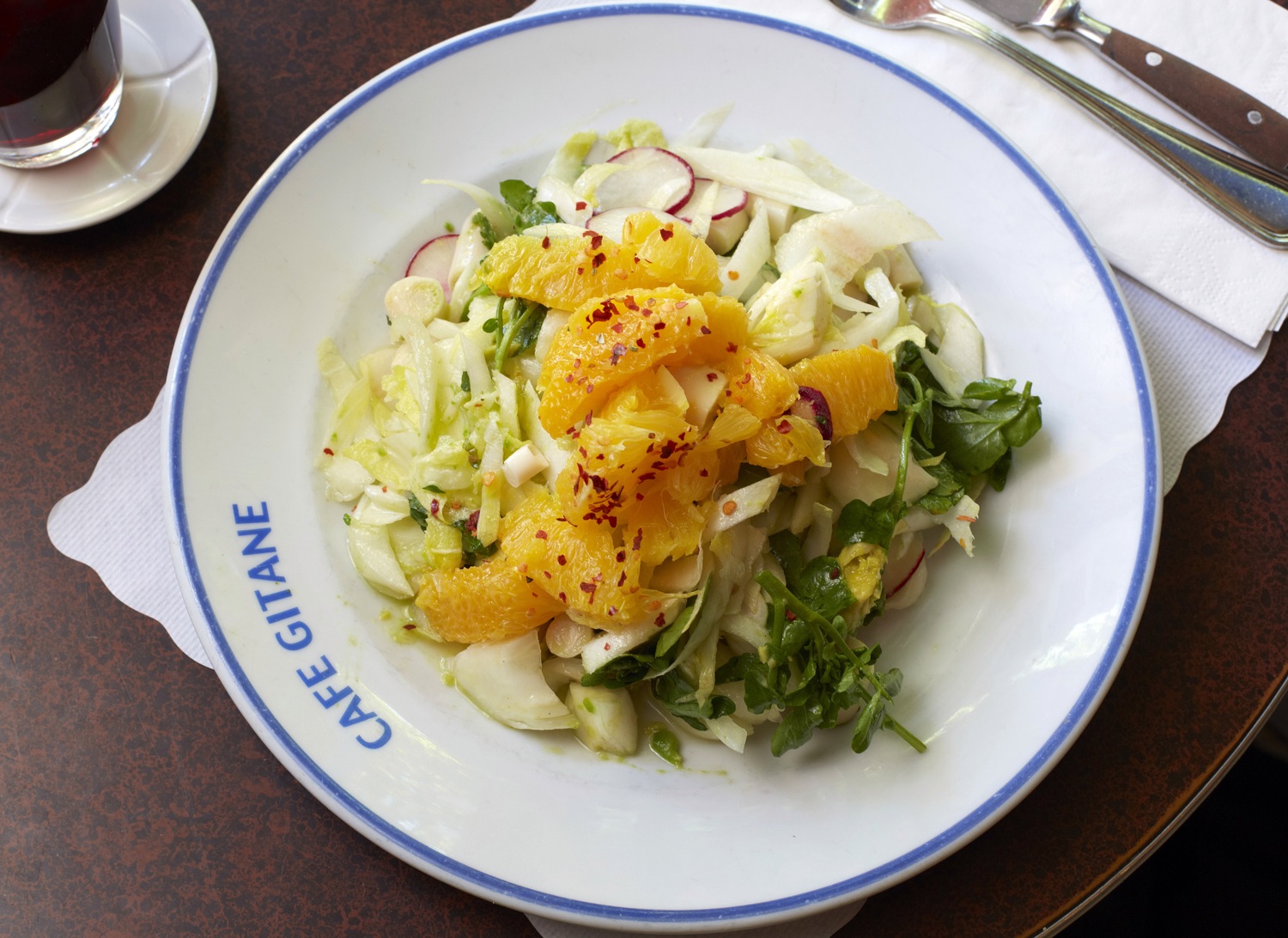
Cafe Gitane was always described as French–Moroccan, and that phrase tends to get read as a marketing hyphen — two cuisines stapled together for a menu. It is not. It describes a real and specific culinary tradition, and Luc Lévy came by it honestly: raised in Casablanca, years in Paris, then New York.
Where the tradition comes from
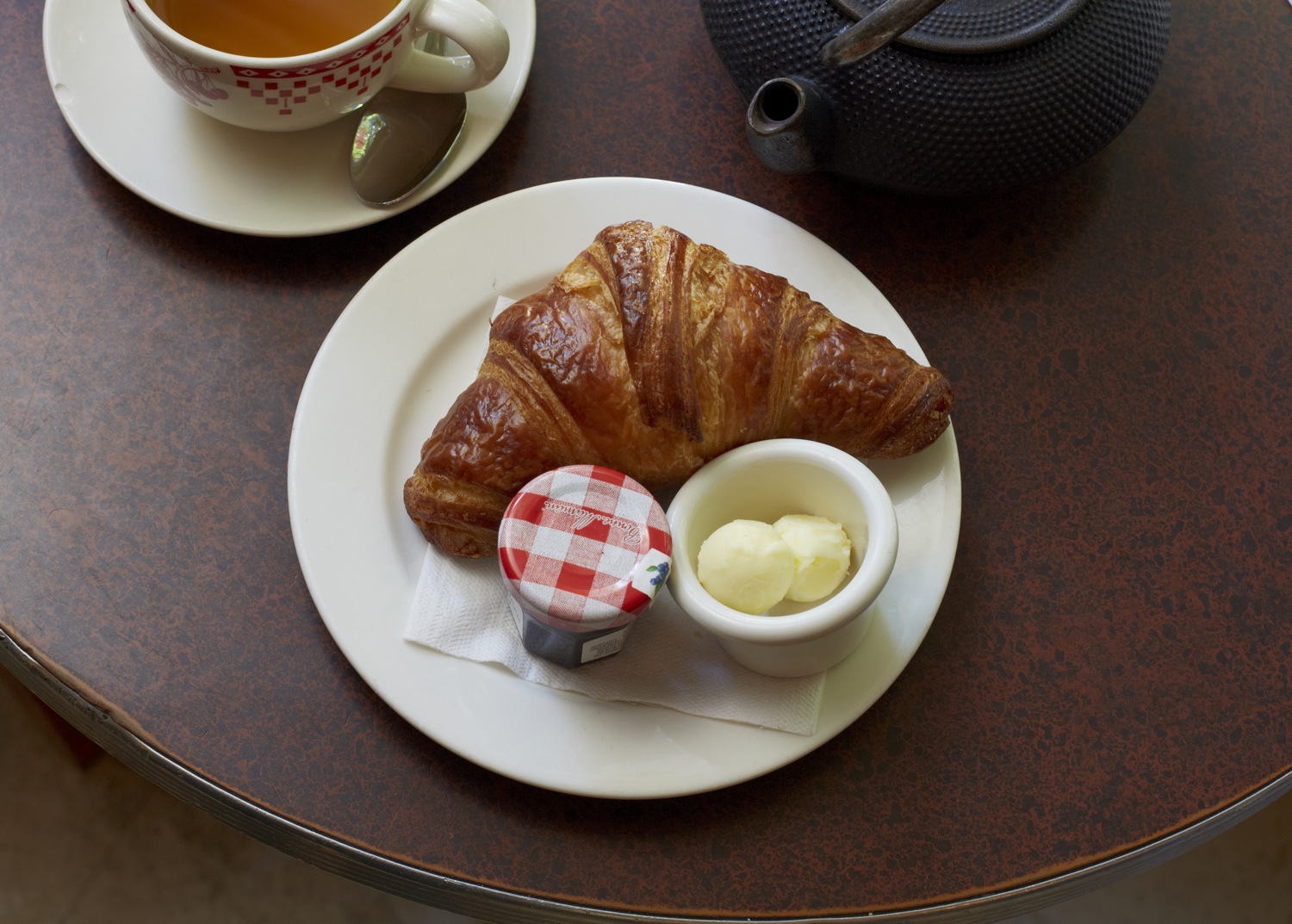
Morocco was under French protectorate from 1912 to 1956, and the exchange ran in both directions for decades afterwards. French technique, pastry and cafe culture embedded themselves in Moroccan cities. In the other direction, and more lastingly, North African cooking became a permanent part of how France eats — couscous is routinely named among the country's favourite dishes, and merguez is standard.
So a French–Moroccan cafe is not a concept. It is what a certain kind of Casablanca or Paris upbringing produces if you ask it to cook lunch.
The Moroccan half: what it actually tastes like
Warm spice rather than heat. The core group is cumin, coriander, ginger, turmeric, cinnamon, paprika and saffron — often combined in the blend called ras el hanout, which varies by shop and can run to dozens of components. Sweetness sits alongside savoury without apology: raisins in a meat couscous, prunes with lamb, honey in a tagine.
The two techniques that matter most:
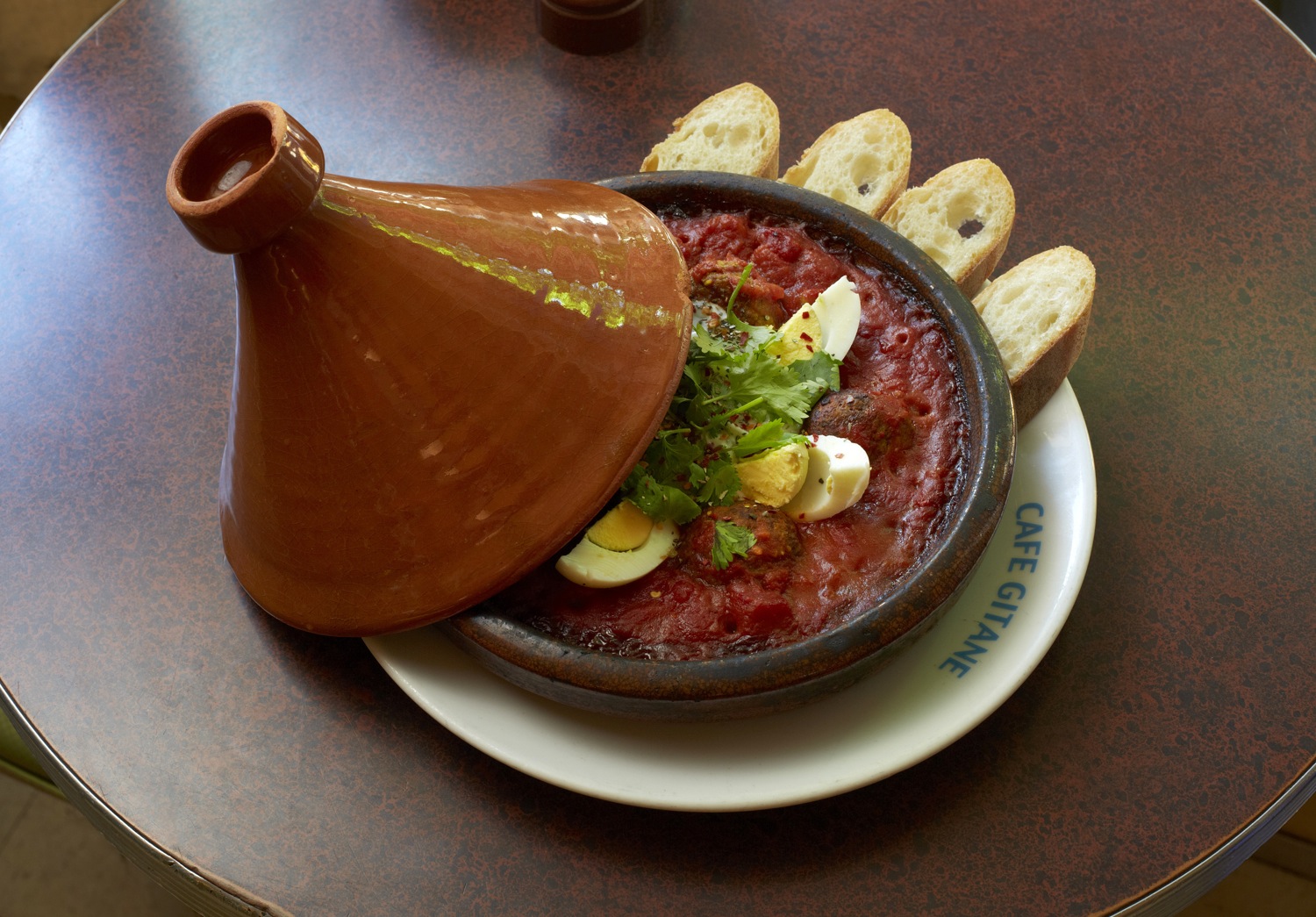
- The tagine. The conical clay lid is not decoration. It condenses steam and returns it to the pot, so a tough cut braises slowly in very little liquid. Long, low, sealed cooking.
- Steamed couscous. Done properly, couscous is steamed over the broth in stages, raked and rested between them, until the grains are separate and light. The instant version in a box is a different food.
Then the sharp, cold, bright things that cut all that warmth: preserved lemon, green olives, harissa, sliced orange with cinnamon and olives.
The French half
Mostly it supplies structure and the cafe format. Bread and pastry — croissants, tarts, the tartine as a legitimate meal. Egg cookery. Salads that depend on a properly made vinaigrette. Fish handled simply. And, more than any dish, the institution itself: a room where a coffee buys you a seat for as long as you want it.
How it read on the Gitane menu
You can see both halves clearly if you line the dishes up.
Unmistakably Moroccan: couscous with merguez, raisins and pine nuts; spicy meatball tagine; grilled eggplant; spicy oranges and olives.
Unmistakably French cafe: the roasted chicken sandwich, tartines, croissants and tarts, baked feta with tomato and thyme, salads.
Somewhere in between, which is the interesting part: baked eggs in spiced tomato, which is a French cafe egg dish cooked in a North African sauce. And the avocado toast — a tartine, structurally, finished with lemon and chilli in a way that owes more to the Moroccan side of the kitchen than anyone gives it credit for.
The pantry, in order of usefulness
If you want to cook in this register rather than just eat it, the shopping list is short and most of it keeps for a year. In rough order of how much difference each makes:
- Preserved lemons. The single most transformative ingredient in the Moroccan pantry, and the one with no substitute. Salt- cured lemons, rinsed, pith and flesh discarded, rind chopped fine. A tablespoon changes a chicken braise completely.
- Ras el hanout. A blend rather than a single spice, and it varies by shop — some run to thirty-odd components. Buy small quantities from somewhere with turnover.
- Harissa. Chilli paste, best used stirred into yoghurt or oil rather than neat. Rose harissa is milder and more aromatic.
- Whole cumin and coriander. Toast in a dry pan for thirty seconds before grinding. This is the difference between a dish tasting spiced and tasting dusty, and it costs nothing.
- Saffron. Expensive, used in tiny amounts, worth it for couscous broth. Steep in a little warm water first.
- Good green olives and salted almonds, which do most of the work in the cold plates.
Three dishes that teach the whole idea
Spicy oranges and olives. Sliced orange, green olives, chilli, olive oil, sometimes cinnamon. No cooking at all. It is on the Gitane menu and in the anniversary book, and it demonstrates the central move of the cuisine: sweet, salt, heat and acid on one plate, none of them apologising for the others.
Baked eggs in spiced tomato. A French cafe egg dish cooked in a North African sauce — the hyphen made literal. Onion, garlic, cumin, paprika, tinned tomatoes reduced properly, eggs cracked in and covered until just set. Bread to finish the pan.
Chicken with preserved lemon and olives. The canonical tagine. Brown thighs, soften onions with ginger and saffron, add the chicken back with a little stock, cover and go slow. Preserved lemon and olives in for the last fifteen minutes so they stay distinct. If you have no tagine, a heavy casserole with a tight lid does the same job.
Cooking a bit of it at home
If you want to get at the flavour without a tagine, three things get you most of the way:
- Preserved lemon. Salt-cured lemons, rinsed, pith discarded, rind chopped fine. A small amount transforms a chicken braise or a grain salad. They keep for a year.
- Harissa, stirred into yoghurt or oil rather than used neat.
- Toasting whole spices before grinding. Cumin and coriander in a dry pan for thirty seconds is the difference between the dish tasting spiced and tasting dusty.
The 30th-anniversary book prints the cafe's own recipes for avocado toast, grilled eggplant and Moroccan couscous, which is the closest thing to a primary source now that the Mott Street kitchen is closed.