Neighbourhood
The cafe that helped invent Nolita
In 1994 the block had no name. A small French-Moroccan cafe opened anyway, and the neighbourhood formed around it.
11 February 2026 · Cafe Gitane Archive
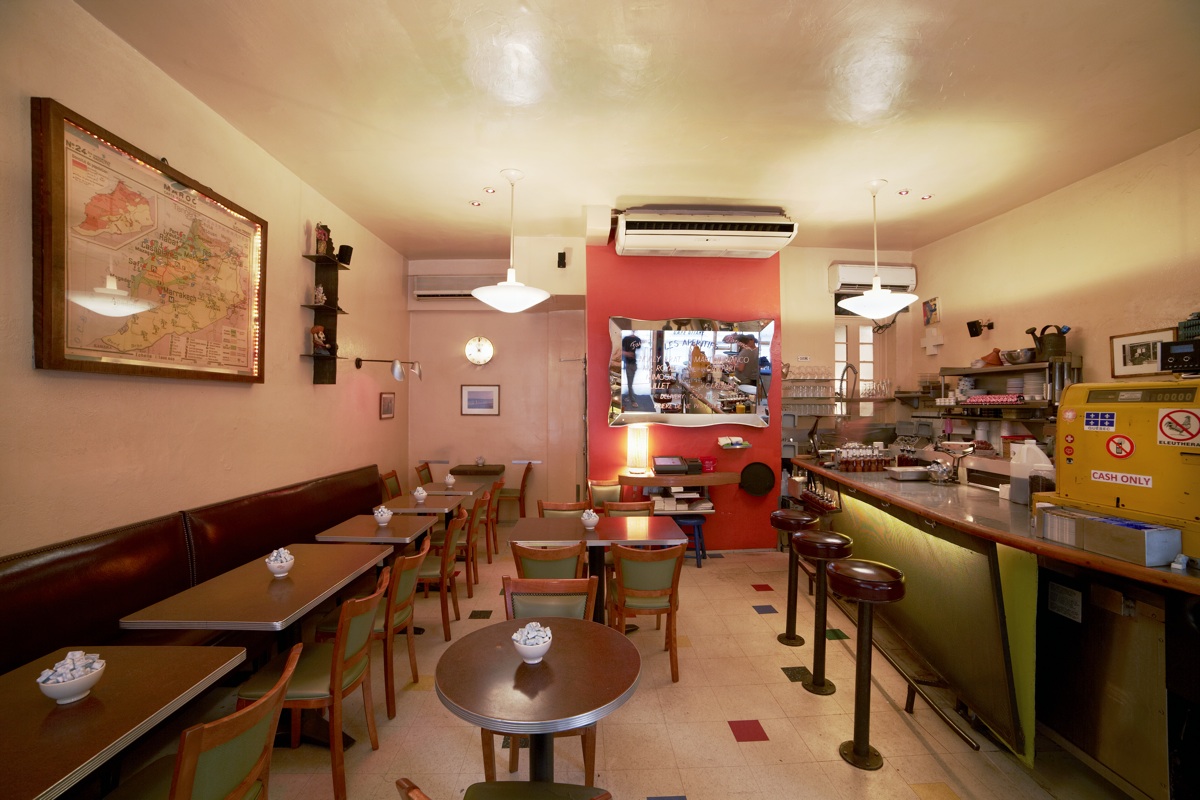
Neighbourhoods do not appear because someone coins a name for them. They appear when there is somewhere to go. For the northern end of Little Italy in the mid-nineties, that somewhere was a small cafe at 242 Mott Street.
What was there in 1994
Not much that would read as a destination. This was a working Italian and Puerto Rican neighbourhood: social clubs, long-tenured families, a handful of shops serving people who lived there. SoHo was next door and already expensive. This stretch was not. There were no boutiques, and there was no name — the designation Nolita, North of Little Italy, would not take hold for another two or three years.
Luc Lévy opened Cafe Gitane there in June 1994 and nobody came. Not metaphorically: the room was empty enough through the summer that he sent his one waitress home mid-shift. She was Charlyn Marshall, who within months recorded her first album as Cat Power at a rehearsal space up the same block.
The write-up
By October, the New York Times style pages had found it. The description that stuck was of a cafe scene that wasn't a scene — a place where people stayed rather than performed. Struggling actors over a single coffee. Older men playing checkers. A couple splitting a sandwich. Someone compared the atmosphere to Saint-Germain.
Lévy's account of what followed is that the cafe was overrun, more or less overnight, by every kind of person. And crucially: once there was a reason to walk to Mott Street, other reasons started to open next to it.
The sequence that follows
This is a well-worn pattern and Nolita is close to its textbook case. A cheap neighbourhood acquires one place worth travelling for. Artists and people in fashion and music start using it as a meeting point because it is inexpensive and nobody is watching. Their presence makes the area legible to retail. Small boutiques open, because the rent is still low and the customers are already standing on the pavement. The name arrives to describe what has already happened. Then the rent follows the name.
By the 2010s, Mott, Mulberry and Elizabeth were an international shopping destination on roughly the same footing as SoHo. The social clubs thinned. The independent boutiques that had made the area interesting were gradually replaced by brands that could absorb the rent they had helped create.
The cafe that did not change
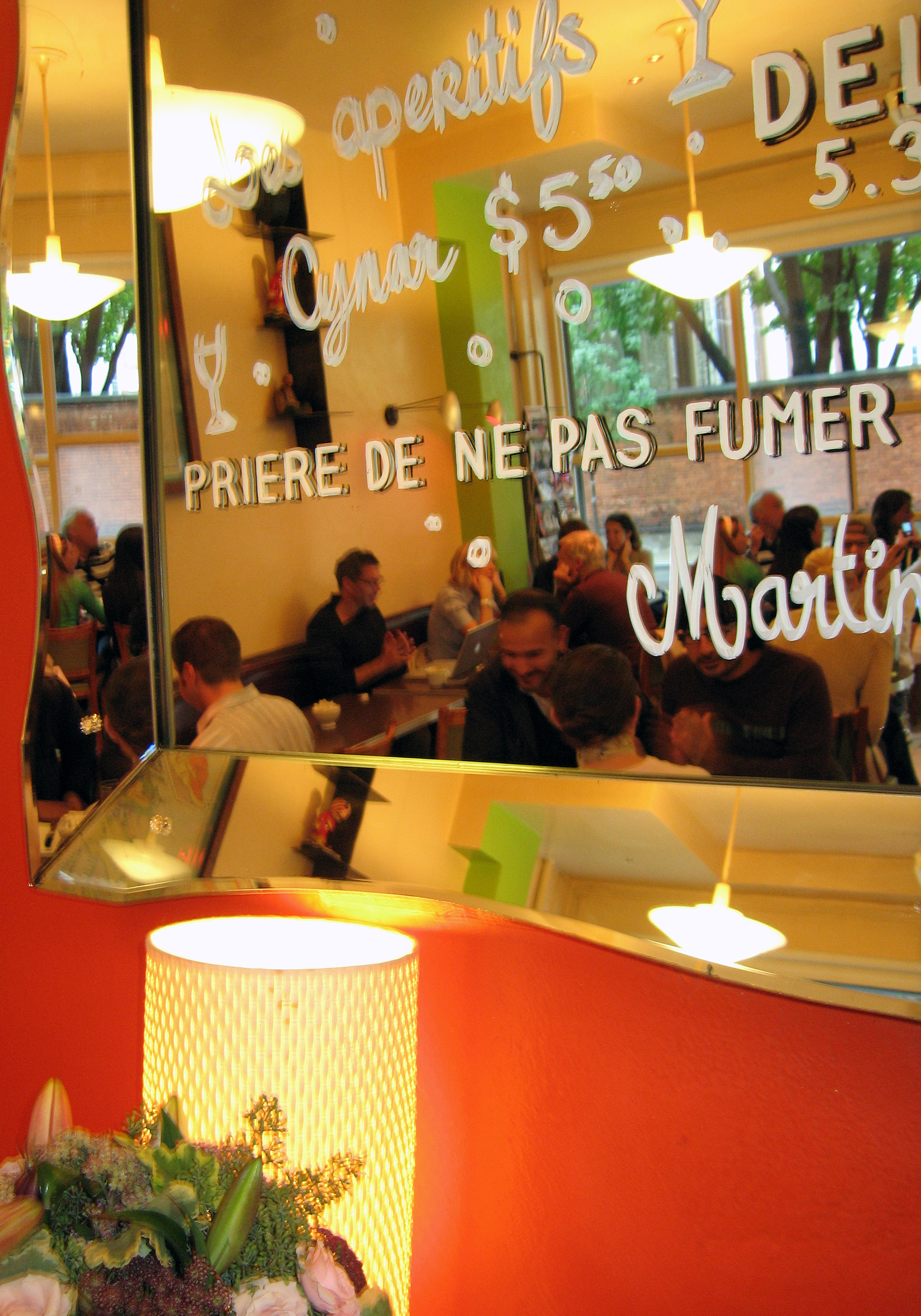
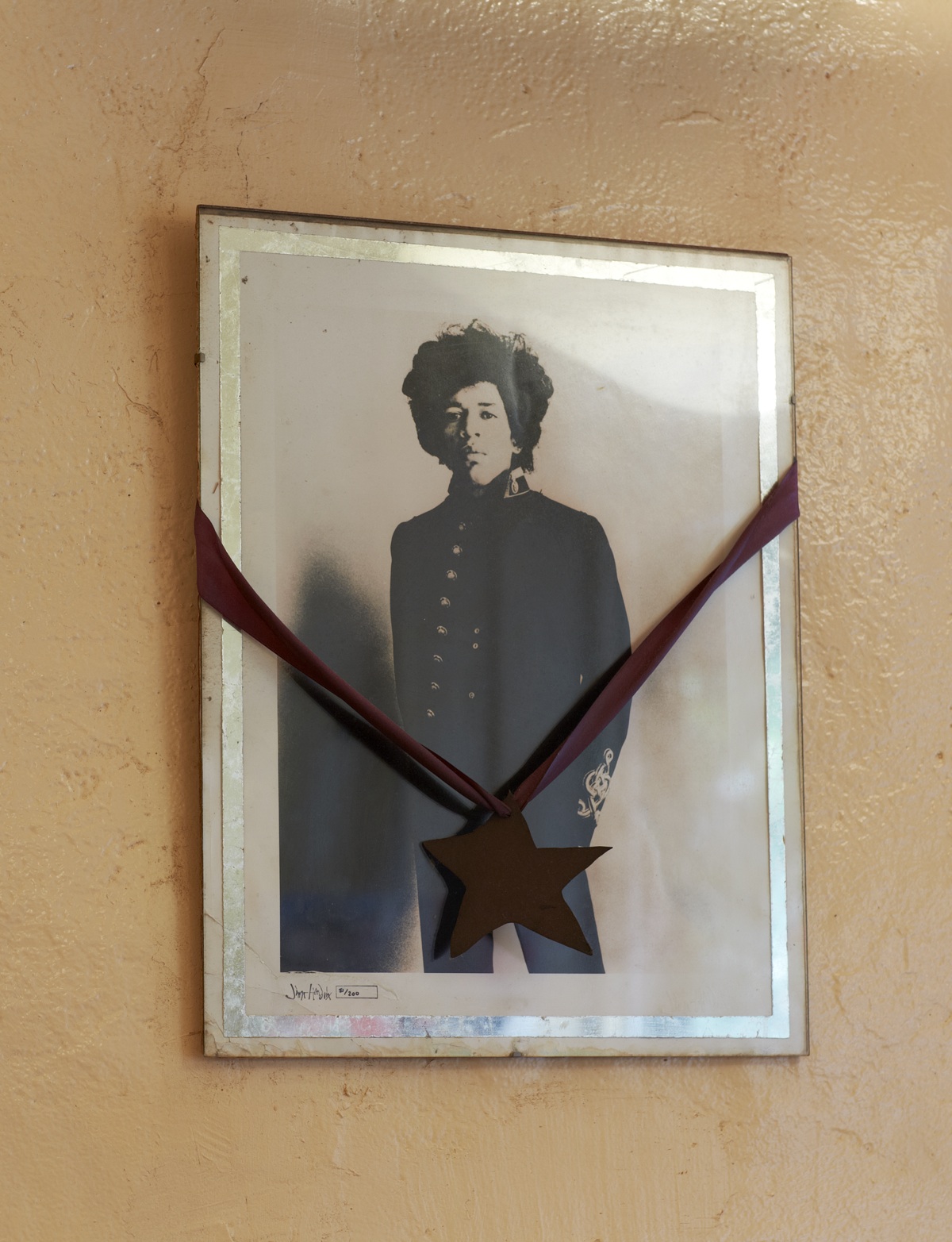
Through all of it the room at 242 Mott looked essentially the same. Ochre and red-orange walls, dark round tables, framed pictures in no particular scheme, a hand-lettered no-smoking sign, the small green dress the waitresses wore. Nothing was refreshed on a cycle. Photographs from 2020 and from the late nineties are genuinely hard to tell apart.
In a neighbourhood that renovated itself every eighteen months, that stillness went from being unremarkable to being the single most distinctive thing about the place. Regulars in the anniversary book keep circling the same point: it was one of the last rooms downtown that felt like it belonged to the people sitting in it.
What the block looks like now
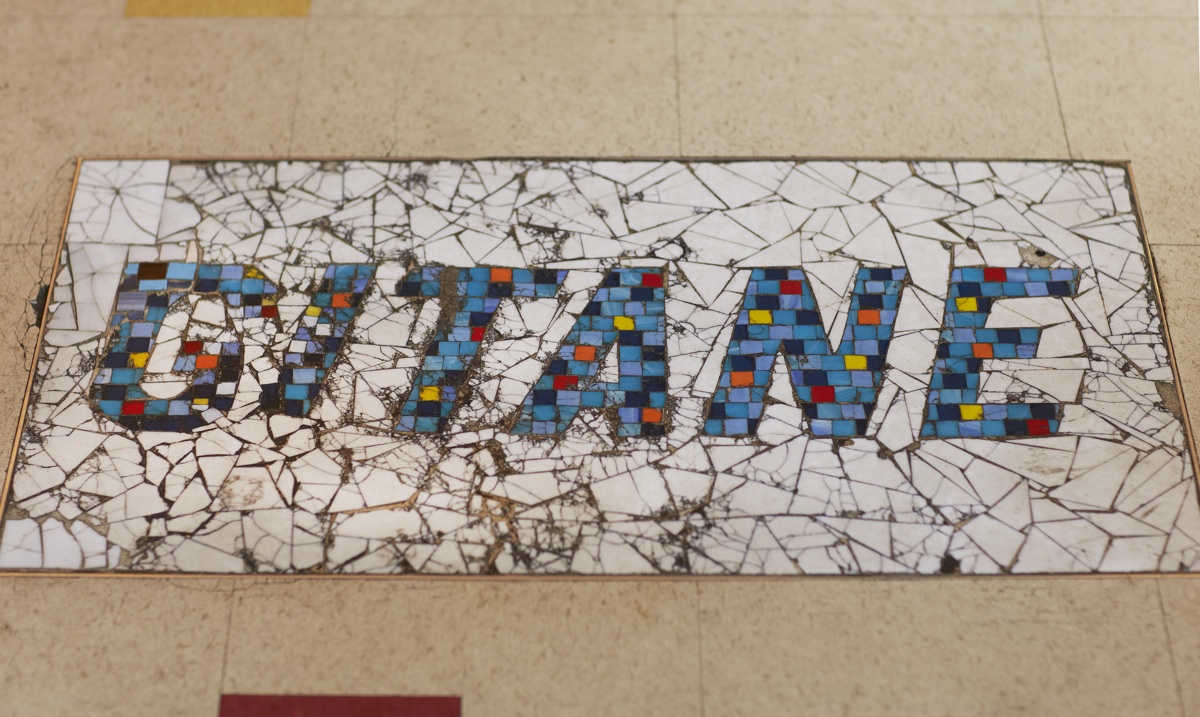
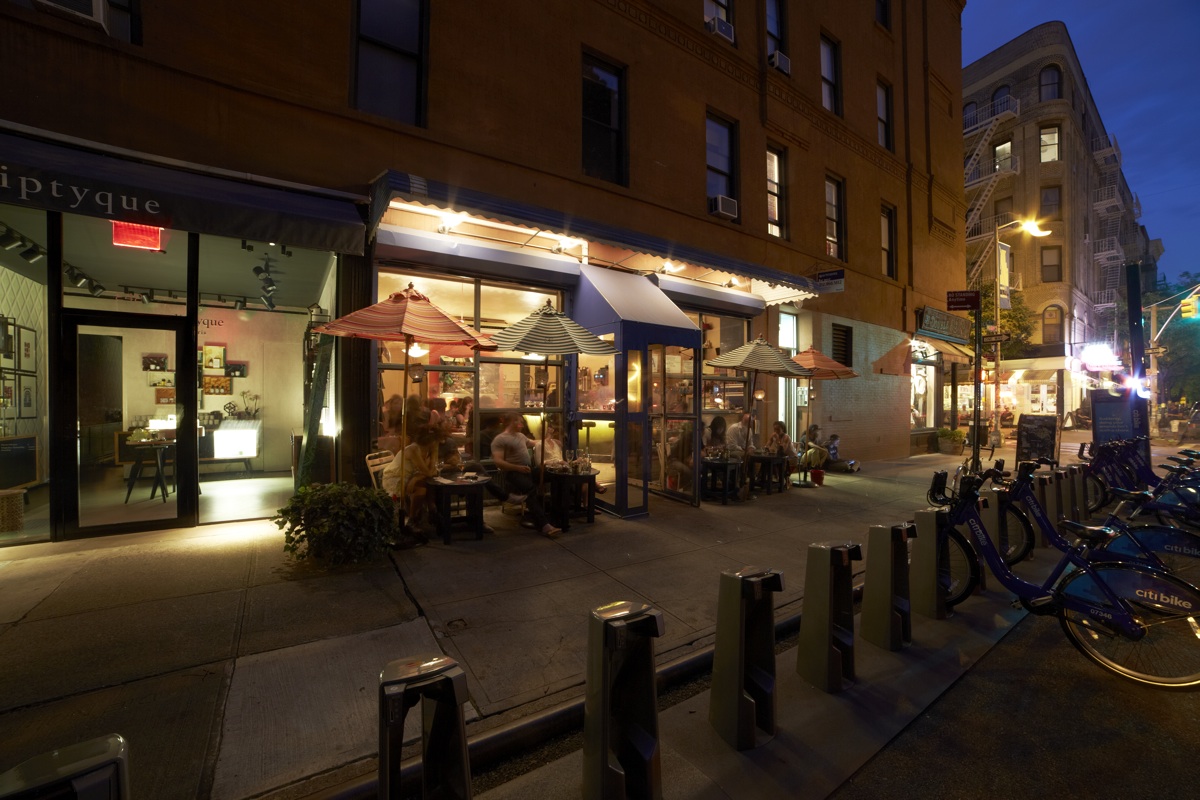
Walk Mott between Houston and Kenmare today and the change is legible in the shopfronts. The Italian social clubs that defined the street in 1994 are almost entirely gone. The independent boutiques that arrived in the late nineties — the ones that made the area worth the trip, and that could afford to be there because the rent was still low — have largely been replaced by brands with the balance sheet to absorb the rents their own arrival helped create.
This is the part of the cycle that gets least attention, because it happens slowly and to no single villain. Nobody set out to price out a cafe. The neighbourhood simply became valuable, and the mechanism by which it became valuable was the presence of exactly the kind of business that cannot survive the result. Cafe Gitane made Nolita worth walking to. Nolita then became worth enough that a room built on letting people linger could no longer hold a lease on it.
Why this one mattered more than most
Downtown Manhattan has lost a great many restaurants and will lose more. What made this one load-bearing for the neighbourhood was a specific set of properties that are hard to replicate deliberately:
- It was cheap enough to use casually. A coffee bought you a seat. That is the entry condition for a room becoming a meeting point rather than a destination.
- It was small. Forty-odd seats meant you overheard the next table. Density is what turns a cafe into a network.
- It did not curate. No door policy, no reservations system, no membership. Whoever turned up, turned up.
- It stayed still. Thirty-one years without a refresh meant that a person returning after a decade found the room they remembered. Almost nothing else downtown offered that.
Those four things together are why the anniversary book reads as an oral history of a neighbourhood rather than the story of a restaurant. Sarah McNally framed it that way explicitly when McNally Editions published it, and described Lévy as an ambassador for Nolita.
And then
The cafe closed in December 2025, boarded up without notice. The neighbourhood it helped bring into existence had become expensive enough that a business built on letting people sit for hours over one coffee could no longer hold a lease on it.
That is not a morality tale, exactly — nobody set out to price out the cafe, and Lévy has said nothing publicly about why it ended. But it is a fairly precise illustration of how downtown neighbourhoods work, and Nolita ran the whole cycle in thirty-one years with one small cafe at the centre of it.
More: the full Mott Street history and what is known about the closure.